A software developer may have spent six years working through difficult engineering challenges but find it difficult to articulate a system architecture decision during an interview. A marketing professional might have managed successful campaigns yet forget the most relevant performance figures when asked about previous achievements.
Difficulty recalling details is not necessarily evidence of poor professional ability. The interview environment demands several skills at once: retrieving useful details, understanding new questions, organizing ideas, and expressing them clearly despite pressure.
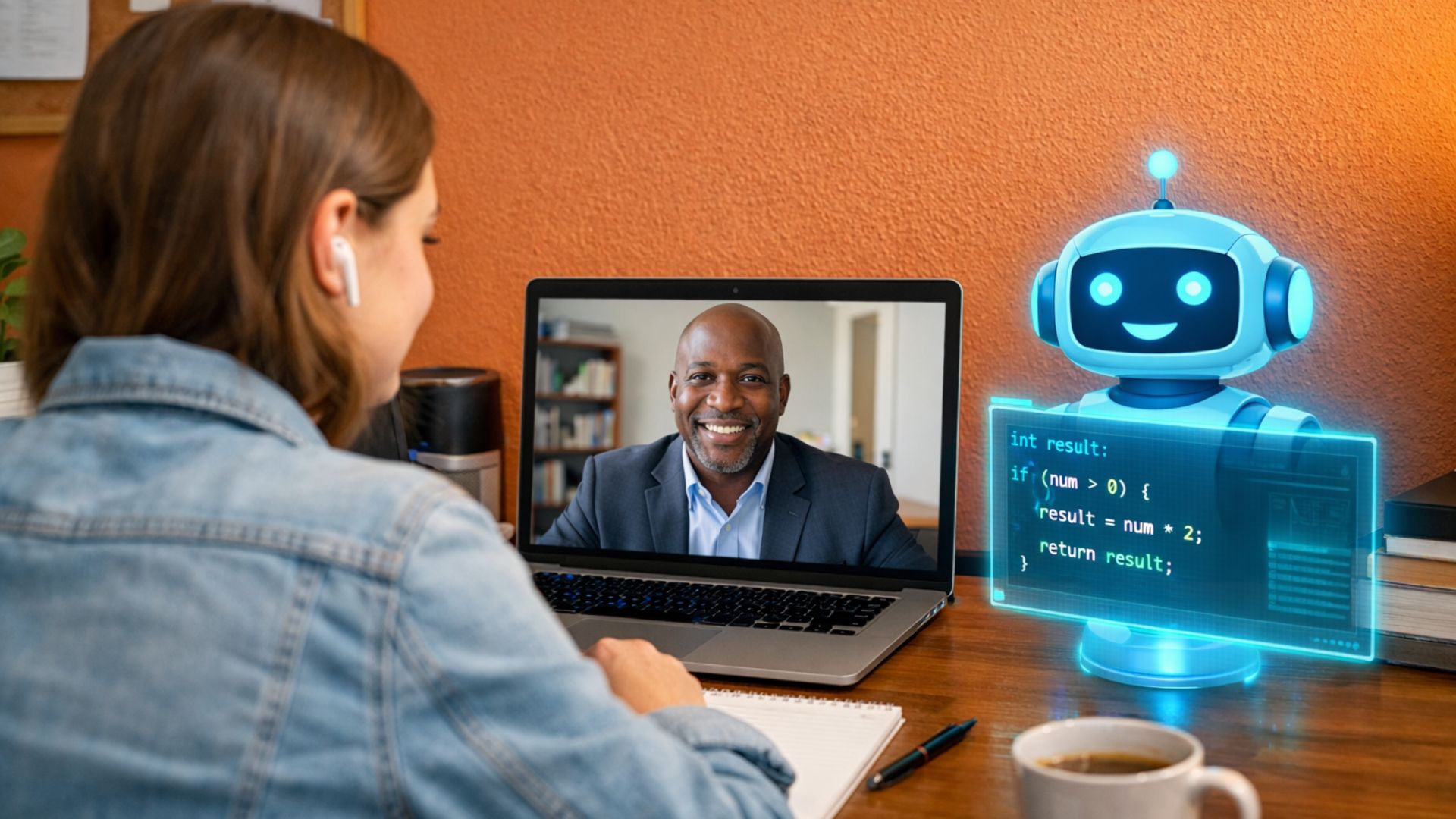
AI technology offers new methods for developing these interview skills. Through customized preparation, simulated interviews, and live response suggestions, Interview Pilot aims to help job seekers feel more confident in professional interviews.
Organize Your Professional Stories Before the Interview
A familiar approach to preparation is to find standard interview questions and memorize recommended replies. Such stock responses seldom do justice to the particulars of a person’s real work history.
Consider the familiar question, “Tell me about a time you managed a difficult project.” Starting confidently is useful, but the answer needs meaningful detail. A useful account connects the project’s context with the individual’s responsibilities, their decisions, and the final outcome.
Suggestions from Interview Pilot draw on the candidate’s resume, the role being pursued, and the potential employer.
An AI interview assistant can help users select relevant career examples, organize supporting details, and recognize gaps in their explanations. Users can subsequently practice explaining what actually happened in their own words.
Communicating Technical Expertise in an Interview
An assessment of technical ability goes beyond understanding programming tools, software platforms, and engineering principles. Hiring teams often examine the candidate’s problem-solving process and compares possible solutions.
A discussion about database performance could require an explanation of the benefits of indexing, the costs and compromises involved, and the measurements used to establish faster queries.
Both technical questions and behavioral prompts are covered by Interview Pilot. Its interview copilot functionality processes spoken questions and generates contextually relevant responses.
Candidates still need to comprehend why a suggested answer makes sense. Independent explanation of technical decisions becomes particularly important when the interviewer asks for further detail or changes the scenario.
Practice Answering in a Conversational Setting
There is a meaningful difference between studying questions on a page and responding out loud. Spoken practice exposes communication habits that written preparation may overlook, including lengthy introductions, unclear explanations, and unnecessary technical jargon.
Users can prepare for conversations with recruiters and hiring managers through Interview Pilot’s AI mock interview feature and interview question bank.
Candidates can practice effectively by responding to one question repeatedly while changing how much detail they include. For an initial screening, an applicant might prepare a brief thirty-second explanation, then develop a fuller answer for a technical conversation. This flexibility helps conversations feel more natural and more responsive to the interviewer’s interests.
Using Live AI Support With Professional Judgment
Tools offering real-time interview answers introduce additional considerations around professional integrity and employer expectations. Some organizations permit AI assistance during assessments, while others require candidates to demonstrate their abilities without outside assistance.
Anyone searching for a copilot for interview preparation or live assistance should clarify the employer’s rules before using such technology during an actual interview. Candidates should also consider requirements concerning consent and confidentiality when software processes interview conversations. AI-generated suggestions are most valuable when they support genuine knowledge rather than replace real qualifications or invent professional experiences.
Preparation That Fits Alongside Daily Responsibilities
Interview preparation often happens between job responsibilities, commuting, and personal responsibilities. Being able to access preparation tools on different devices can help candidates rehearse more consistently.
Interview Pilot is available on Mac, Windows, iPhone, Android, and through a web version. The platform reports a global user base of over one million and describes a free tier with weekly AI usage limits in addition to paid subscriptions offering unlimited use.
Successful interview practice involves more than learning carefully crafted sentences by heart. What matters is developing confidence in discussing your expertise, demonstrating your thought process, and articulating your potential value to an employer.
When used with care, Interview Pilot can assist with preparation without displacing the applicant’s genuine experience, independent judgment, or communication abilities.