If you have ever been asked to undergo an MRI scan, CT scan or X-ray by your physician you may be thinking why this particular procedure was recommended. All of them take pictures of the inside of the body. Why can’t they be interchangeable?
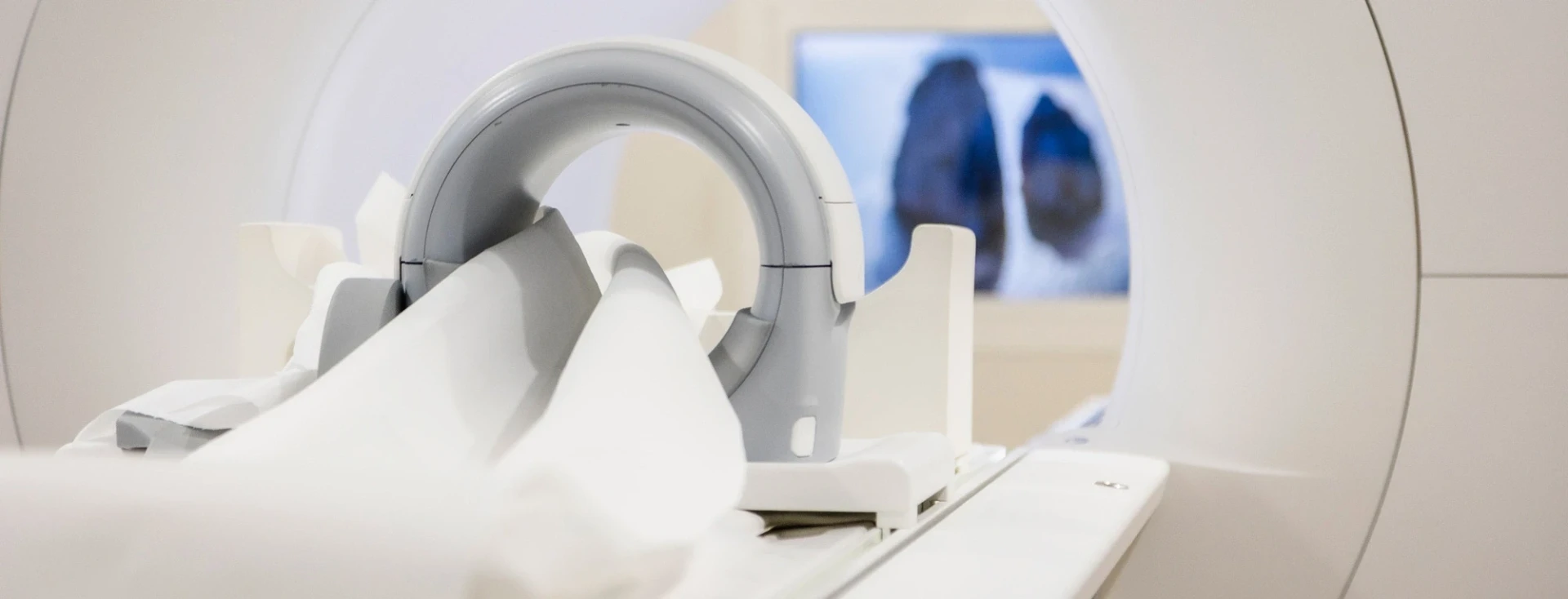
Image credit: diagnostikzentrum-wolfsburg.de
Diagnostic imaging in the present is more of tools in a toolbox. The information provided by each technique is distinct, and depends on which part of the body you are studying and the medical issue you’re trying to solve. In the Wolfsburg Diagnostics center the range of imaging technology is readily available to meet various demands for diagnosing.
MRI examines the body With No Ionizing Radiation
Magnetic resonance imaging, also known as MRI makes use of radiofrequency and magnetic fields instead of ionizing radiation produce detailed images. MRI can be used to see soft tissue organs, joints, and various internal structures. A patient who has a joint issue, for instance is likely to require data that cannot be derived from a conventional X-ray alone.
The Wolfsburg Diagnostic Center provides prostate MRI and full-body MRI examinations. These applications make use of the ability of MRI to deliver detailed images without exposing the patient to radioactivity that is ionizing.
CT provides detailed cross-sectional view
Computed Tomography is an alternative imaging method. CT imaging is made through the combination of X-rays and computer processing. CT produces a slice-by-slice image of the internal anatomy, providing doctors with a different method to answer certain medical queries.
The center employs low-dose CT the latest technology that minimizes radiation exposure in order to gather diagnostic information. CT imaging can also assist in treatment. Periradicular Therapy, commonly known as PRT uses CT guidance to guide injections to treat nerve tissue that is irritated.
The Standard X-Ray Still Does a Vital Job
Advanced technology hasn’t made conventional radiography obsolete. Digital X-ray diagnostics are able to provide images in a short time and are still useful for various examinations, specifically when physicians need to evaluate structures such as bones. Digital devices are more effective and emit less radiation than conventional methods. For more information, click here radiologie Wolfsburg
The most sophisticated test may not be the most effective. Good diagnostics means choosing technology according to the clinical issue rather than just picking the latest machine.
Breast Imaging has its own particular technology
Mammography was specifically developed for breast detection. Wolfsburg Diagnostic Center offers 3D mammography in addition the conventional mammography. This is also called tomosynthesis. This technology creates multiple images that can be rebuilt into a layer-view of breast tissue. Specialized imaging matters because different parts of the body pose different diagnostic issues.
A new image can be enhanced with an old image
A scan performed today provides important information about your body. An earlier scan can add something equally valuable: the comparison.
When older images and reports are available, medical professionals could be able evaluate changes over time rather than making a decision to interpret the current test in isolation. Patients are urged to bring previous imaging and medical reports to appointments whenever they can.
Technology can be more efficient when patients Know the Process
The Wolfsburg Diagnostic Center offers MRI, CT, digital X-ray, mammography, 3D mammography and image-guided treatments with a focus on clear communication and well-organized patient treatment.
Videos and patient-specific explanations are provided to help patients understand medical procedures. The center also concentrates on having a well-organized schedule and reducing waiting times. Modern diagnostic medicine is dependent on advanced equipment. However the procedure should not be viewed as a technical process that isn’t explained.
Knowing why a particular examination was chosen as well as the expected outcomes can help patients arrive better educated and make medical technology seem much more comprehendable.