In the current era of technological advancement and innovation the world has witnessed a dramatic transformation in the manner that industries function. Leading players across various industries have embraced the power of robots and automation to simplify processes, increase productivity and gain an edge in the market. In the midst of this shift is the field of robotics, an area that covers the design, integration, and deployment of robotic solutions across many industries.
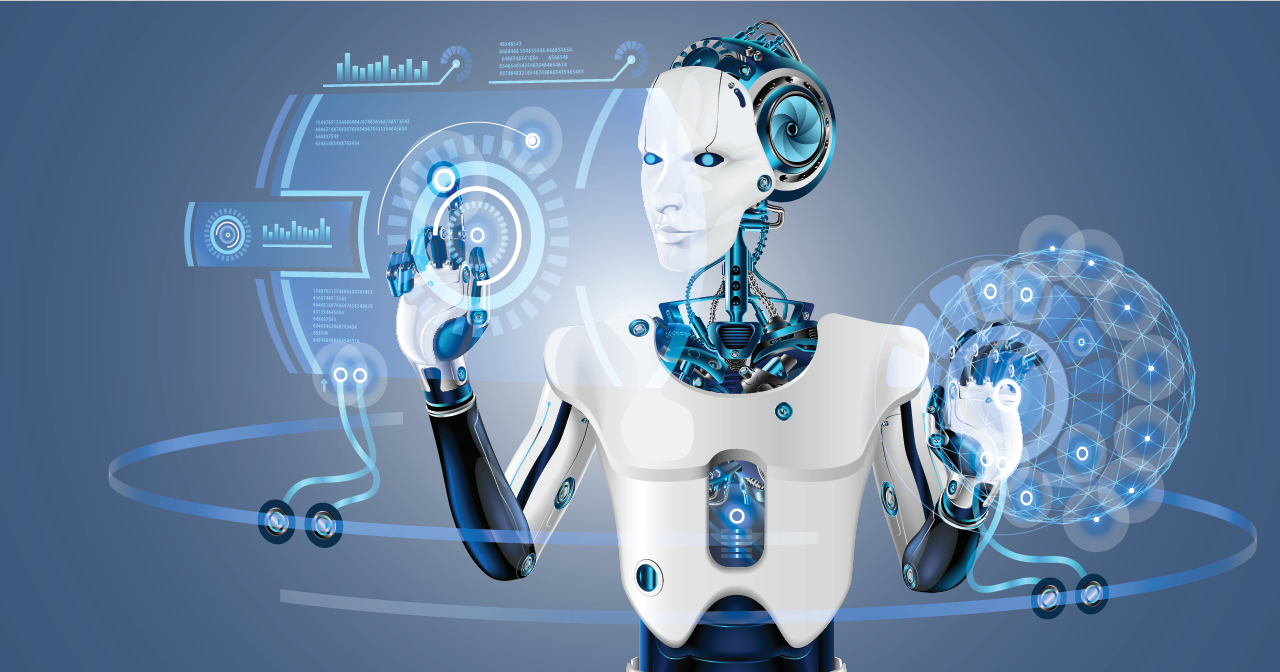
Understanding Robotics Applications
Robotics is a science and engineering field that concentrates on the design, development, construction operations, use and maintenance. Robots are machines that perform tasks either autonomously or with human assistance. They are able to carry out repetitive or intricate tasks typically in environments that are challenging or hazardous for humans.
The realm of robotics extends beyond just automation. It encompasses a range of applications that seek to change industries and improve the quality of life for humans. Robots are advancing into many fields, from manufacturing to healthcare logistical, entertainment, and logistics. They provide a myriad of innovative opportunities.
The rise of Automation: a Paradigm Change
The new industrial revolution is based on automation, specifically robotic automation. The integration of automated systems has significantly altered the landscape of how businesses function, optimizing processes and driving efficiency. Automation is the process that allows machines or robots to accomplish tasks without human involvement employing technology to improve speed, precision and productivity.
Automation through robotics, specifically, is the use of robots to perform tasks previously performed by humans. They can imitate human movements, making them a useful asset across industries. Robots revolutionize the way we work regardless of whether they are assembling products in a factory or performing complex surgical procedures in healthcare.
Robotic Process Automation (RPA): Pioneering Efficiency
Robotic Process Automation (RPA), one of the automation subsets, involves robots automating repetitive tasks, based on the rules of business processes. RPA makes use of software robots, or “bots” for routine tasks. Human employees are able to focus on more complicated tasks.
RPA integration has been a game changer, adding the agility and efficiency of business processes across various industries. RPA has radically changed workflows across many areas, including bill entry and data entry to customer service and HR.
Fanuc Robots: Advancing Industries through Robots
Fanuc is among the top players in the robotics field. This company is an expert in the design and implementation of robots across a wide range of industries. The Fanuc robots are famous for their reliability, accuracy and flexibility. This makes them the top choice in many areas.
By integrating Fanuc robots, industries can revolutionize their operations. These robots were designed to boost productivity and increase throughput, while also maintaining high quality standards. Fanuc’s unique solutions have been developed to increase the safety of employees by removing them from dangerous work.
Driving Competitiveness: The Fanuc Advantage
Fanuc robots offer industries a competitive advantage in their market. The robotic solutions of Fanuc are more efficient and effective, resulting in a higher return on investment. By automating repetitive as well as labor-intensive tasks companies can allocate resources for tasks that require creative problem solving, critical thinking, and creativity.
Fanuc also offers solutions for robots specifically tailored to the unique requirements of each sector. Fanuc’s unique approach to designing and deploying robotic solutions permits businesses to rapidly adjust to market demands that change to stay ahead of competition and achieve sustainable growth.
Future A glimpse
As technology continues to advance in the field of robotics, the realm of robotics and automation will likely to grow. Future developments could include enhanced artificial intelligence, higher-quality sensors, and more interaction between robots, humans as well as other machines.
In the end the integration of robotics and automation, such as Robotic Process Automation and Fanuc robots are revolutionizing industries, and propelling them into the future. The efficiency of robotics is helping businesses not only to thrive in the competitive market of today as well as to create new frontiers in innovation. Automation and robotics will continue to be a major influencer in the world as we enter an era of change.