In the realm of connectivity and networking understanding the intricacies of IP transit pricing is paramount for businesses seeking to optimize their operations while also managing expenses effectively. The underlying pricing system is a mix of services and ports each with a key function in determining the overall expenditure. We’ll take on an exploration to unravel the economics behind IP transportation pricing. We’ll examine key aspects, strategies, and factors.
Port and Service Dynamics
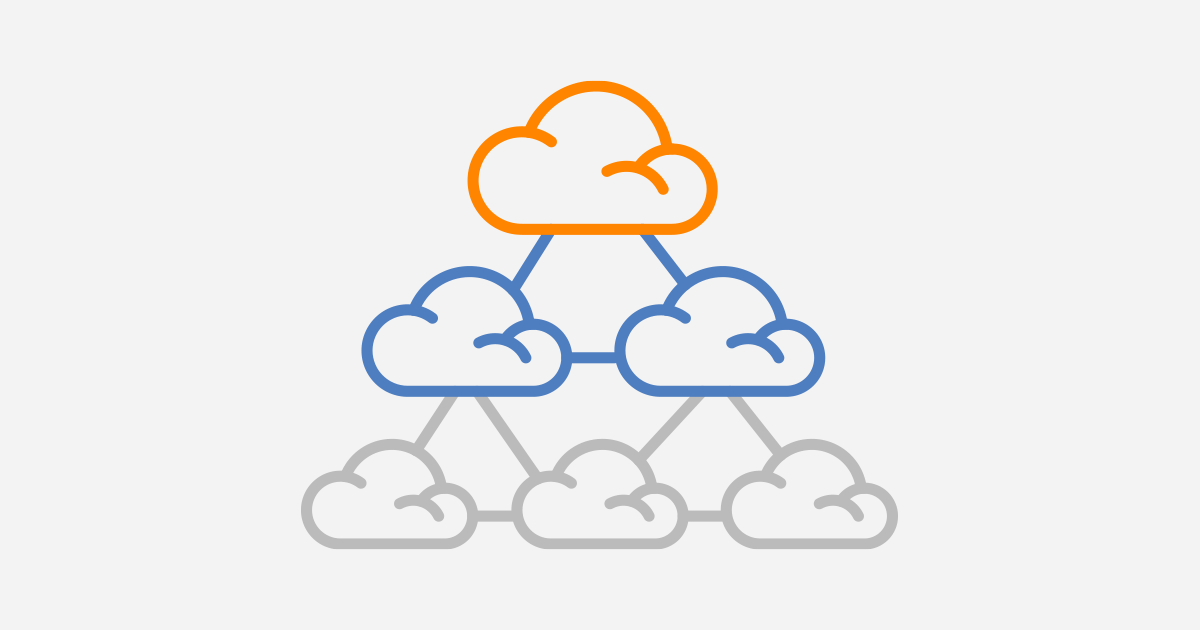
IP transit pricing revolves around the utilization of ports and associated services. Every service needs to be connected to a single or multiple ports. This creates an adaptable framework that permits network configurations to be adapted in accordance with the individual needs. It’s important to realize that every port is able to accommodate many services, with costs varying depending on the selected services.
Understanding Committed Data Rate (CDR)
Central to IP transit pricing is the notion of Committed Data Rate (CDR) that is the minimum amount of commitment to data rate needed for a port. CDRs must equal minimum 10% of the dimensions of the port to provide a minimum level of connectivity. In the case of an enterprise chooses to use 10G connectivity and the minimum commitment is be 1G. The CDR is used as a basis for pricing and higher commitments translate into lower fees per unit.
The Burst Above CDR
IP transit ports can allow the bursting of CDR. This allows businesses to deal with sudden increases in traffic. The same cost per Mbps is charged for burst traffic like it is for CDR. This permits companies to be flexible and not incur additional costs. This is particularly beneficial for companies that have seasonal or fluctuating network activity.
Factors Influencing Pricing
The size of the data rate, the speed of the port, as well as the volume of traffic are all factors that influence IP price for transit. Higher CDRs and port speeds generally result in lower per unit costs, thereby encouraging businesses to boost their connectivity to achieve cost efficiencies. The level of competition in the market and the negotiation power of the client could also influence the pricing agreement.
Optimizing Budgets to maximize Value
In order to maximise the benefits of IP transit an approach that is strategic must be taken in order to maximize budgets. Businesses must evaluate their requirements for network connectivity thoroughly considering factors like expected traffic volume along with scalability and performance goals. When they match these requirements with the most appropriate pricing plans and solutions, companies will get the most value on their investment.
Cost Management Strategies
Effective cost management strategies can aid businesses in reducing the impact of IP transportation costs on budgets. Regular reviews of price agreements may be undertaken to identify areas that require improvement or renegotiation. Insights from monitoring networks and analytics tools are able to make proactive decisions and allow companies to change their configurations to the changing requirements.
The importance of Future-proofing
In a rapidly evolving technological landscape, planning for the future of your network infrastructure is crucial to ensure its long-term viability. When considering IP cost options for transit, businesses should consider not only their current requirements, but as well anticipate future expansion and growth. The selection of scalable solutions that give flexibility and expansion will help reduce the need for costly improvements later on.
Comparing Providers and Pricing Models
The market for IP transit is filled with a wide array of providers, each providing unique pricing plans and services. Comparing the providers thoroughly can help businesses identify the right fit to their requirements considering elements like reliability, performance, and customer service along with pricing. It is important to consider the overall value proposition offered by each service, and not just the bottom-line.
We also have a conclusion.
To conclude, knowing the economics of IP transit pricing is vital for a complete comprehension of the many factors in play, including the dynamics and strategies which are in play. Businesses can maximize the benefit of their investment by using information about the dynamic of ports and services and optimizing budgets. With strategic planning and careful decision-making, businesses can build resilient networks that will perform and enable their growth in an increasingly interconnected world.