Vaping was once uncontrollable in schools. Students would sneak in bathrooms between classes and inhale flavor nicotine and THC vapors. Administrators and teachers were left in the dark until districts decided to implement a vape detection system.
Schools across the country have been reporting huge successes that show how innovative technology can be when it comes to fighting the smoking addiction.
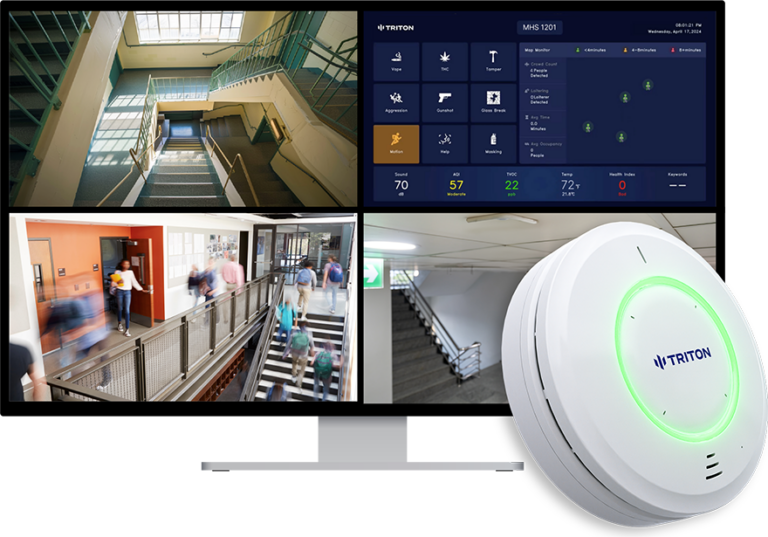
A Case Study: Cutting Vaping by 83% in 10 Weeks
Luling Independent Schools District was an issue with vaping. Despite repeated warnings, and more stringent rules, students continued vape in locker and bathroom rooms. Smoke alarms that were traditional did not work against vapors, and the staff could not be everywhere at once.
In March, the district set up numerous vape detectors in the schools in a test. The results were quite striking. Within five weeks, incidents of smoking cigarettes had fallen significantly. In ten weeks’ time, the vaping rate had fallen by 83%..
The program’s success was more than just numbers. Teachers reported less disruptions and students were able to comprehend that smoking vapes will not be a secret.
Match Charter School Experiences Have Similar Results
Another notable example comes from Match Charter Schools, which faced challenges with middle and high school smoking. They put in place a set of vape smoke alarms in the month of August and witnessed immediate positive results.
In December, just four months after the initial report, administrators reported a 20% decrease in incidents of vaping. Parents praised the school’s concrete measures to protect their children, while teachers noticed a reduction in the amount of loitering in the hallway as well the reduction in bathroom congestion.
The two districts mentioned above are a trend that is growing Schools that implement vape detection report measurable improvement in their behavior and overall safety.
What are the factors that make vape detectors successful?
This technology is the key to this success. Modern vape detectors go beyond simply detect the vapor. They also keep track of the quality of the air and levels of occupancy as well as provide staff with real-time notifications. This means that managers don’t need to rely only on their own intuition or post-fact reports.
In addition the fact that detectors have been designed with security in mind. No cameras. No audio recording. No audio recordings. Only instant, precise data that can assist schools in implementing swiftly and without infringement of student rights.
This combination of effectiveness and compliance makes vape detectors one of the most practical safety tools schools can adopt today.
Beyond Vaping: A Broader Safety Net
What many administrators appreciate is that the detectors go beyond prevention. Advanced systems detect loud sounds and the use of keywords in connection with emergencies. They can even identify vandalism.
The detector will alert the staff in the event that, for instance, students begin loitering around an area for restrooms. If a person shouts a distress word, such as “help,” staff can be immediately alerted. Smoke detectors in schools could be part of a larger strategy to combat both threats to health and violence.
Why Boards and parents support Vape Detectors
Transparency is one of the benefits which is often ignored. Schools using detectors can produce reports that show clearly the patterns in vaping. These reports can be shared with school boards, community groups and parents to prove that concrete measures are being implemented.
Parents, in particular, feel gratified when they observe tangible results. Smoke detectors for vapes aren’t just keeping students safe, it’s also safeguarding their health and promoting the message that vaping isn’t allowed in schools.
The Takeaway is a Proven Path to Success
For years, e-cigarettes felt like an unresolved battle schools weren’t able to take on. However, case studies from districts across the country show contrary. Administrators are able to spot risks and deter risky behavior immediately using a vape detection device. This provides a safer environment for students.
The vaping epidemic is far from being over, but the tide is changing. Schools that invest in vape detection technology aren’t just responding to an issue, they’re in the process of paving the way for more sustainable future.
Conclusion
From Texas from Texas to Massachusetts, schools are proving that technology does work. Modern vape detectors do more than simply sound an alarm. They influence behavior and build trust, as well as providing a long-lasting solution to today’s major health concerns for students. If a school district is serious about safety and security, school vape detectors are no longer a novelty they’re the standard.