The seamless integration of ball valves and solenoid valves is critical in the complex world of fluid control. These components, usually not recognized as heroes in various industrial processes, combine to form a dynamic pair, enabling precise and automated control of flow. Explore the realms solenoid valves (also known as ball vales that are activated) and actuated rotary valves. Find out about their roles as well as their applications and how they work together to support fluid management.
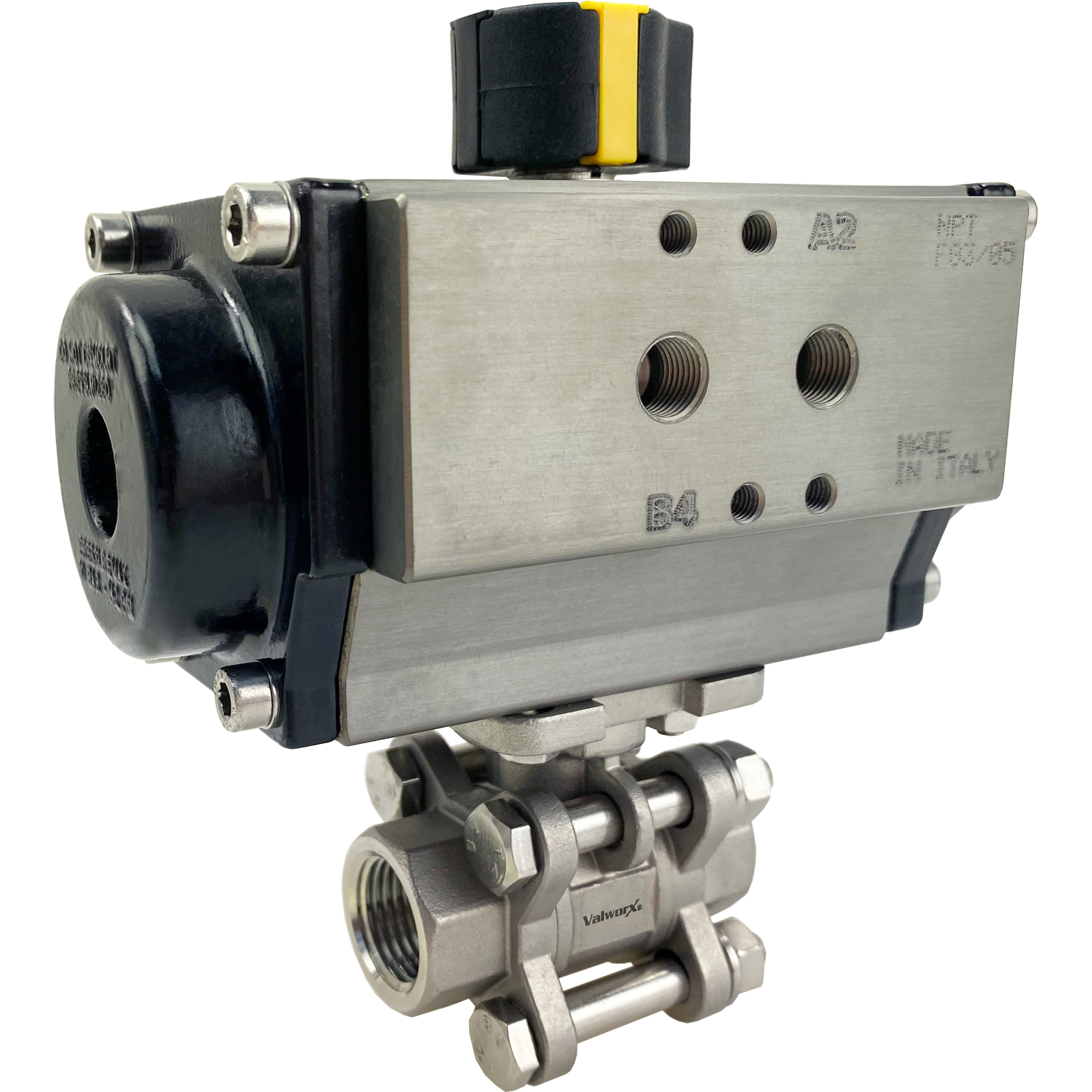
Solenoid valves are the gates operated by electricity to regulate fluid flow, hold the key to a seamless control in a myriad of applications. These valves play an essential role in directing air-actuated ball valves and butterfly valves giving a new layer of accuracy and efficiency to control of fluid systems. Designed to respond to electrical signals the solenoid valves function as orchestrators and dictate when and how the liquid pathways should be opened or closed.
The compatibility of solenoid actuators with spring return and double acting air actuators is among their distinctive features. Because of their flexibility they are able to be utilized in a wide range of industries. Integration is further simplified by the NAMUR mounting plate that is an international standard. This permits a direct connection to the air actuator.
Actuated Ball Valves Controlling Automated Fluid Positioning
A ball valve that is operated by an actuator automates the motion of the valve. The valves are powered by pneumatic or electric actuators, and then automatically rotate to the desired position. This allows for a free-of-hands fluid control. The synergy between solenoid valves as well as actuated valves allows for a system that combines mechanical precision with electrical precision.
The actuated ball vale is a great choice for projects that require precision and reliability. Its ability to regulate the flow of fluid with precision makes it an ideal choice for applications that require switching off or modulating control. Water, air, oil, and other compatible media find themselves under the expert guidance of actuated ball valves that ensure a smooth and efficient flow that meets expectations of the job.
Solenoid Symphony in Air Precision Actuated Ball Valve
The partnership between solenoid as well as air-actuated valves resembles to a symphony, where each component has a vital role in the harmonious control of the flow. Solenoid controls, that respond to electrical signals that control the opening and closure of the fluid path, are operated by solenoid valves. Air-actuated ball valves, guided by electrical commands, perform the mechanical dance to control the flow.
The integration of this symphony through the NAMUR mount pad is what makes it so amazing. This standardized connection not only simplifies the assembly process but also ensures a secure and efficient linkage between the solenoid valve and the air actuator. It’s a seamless connection that converts electrical impulses to physical motion. This allows for an accuracy that is in line with industrial requirements for application.
Navigating Modulation The dynamic world of Ball Valve Control
Ball valves, whether actuated or not, are known for their versatility for fluid control. They are indispensable in many industries due to their ability to control fluid, air or water flow. Ball valves with actuators, powered by the innate intelligence of solenoid valves, bring the flexibility to new levels.
Modulating control is essential for applications where fluid demand is fluctuating. This is best accomplished by ball valves actuated that are guided with precision by solenoids. If it’s about adjusting the rate of flow of cooling water system or controlling the release of air within a pneumatic process, the dynamic world of control for ball valves ensures that the fluid reacts precisely to the needs of the operating.
In the pursuit of optimal performance and endurance the availability of an array of ball valves is crucial. The businesses require solutions that can not only meet the immediate needs of their business as well as last in a wide range of operating conditions. There are many ball valves available on the market, all of which set high standards for quality and endurance.
There are a myriad of options and you can choose from a variety of options, whether you’re in search of a compact ball valve operated by hand or a more sophisticated ball valve that is powered by an electric actuator. To make the right decision, you need to consider elements like the type of fluid, the operating pressure, temperature and the requirements of the application. This broad range of options ensures that industries can craft fluid solutions tailored to their unique requirements.
Conclusion: The Precision Dance of Solenoid Valves and Actuated Ball Valves
It is crucial to have precision when it comes to controlling fluids. This is why the combination of solenoid valves with balls valves that are controlled to the highest degree. The solenoid’s electronic control seamlessly is integrated into the mechanical proficiency that actuated valves possess to create a dance of precision that regulates fluid flow with unbeatable precision.
Each component in this symphony is playing a vital role. From the international standard NAMUR mount pads, which guarantee secure connections, to the automated movement of actuated balls valves as a result of solenoid signals. As companies seek security, efficiency, and adaptability to their fluid management systems, the dynamic duo of solenoid valves and ball valves that are controlled by solenoid signals emerge as a cornerstone, unlocking a world of possibilities in the field of precise fluid control.