The hum of an electric furnace during a cold evening can provide happiness for many homeowners. The oil tank – the unsung the source of warmth – remains unnoticed until a problem arises. But proactive maintenance, like oil tank replacement is essential to ensure your home’s safety and efficacy. We’ll take a look at the world of replacement costs for oil tanks and help you make this vital investment in your home’s overall health.
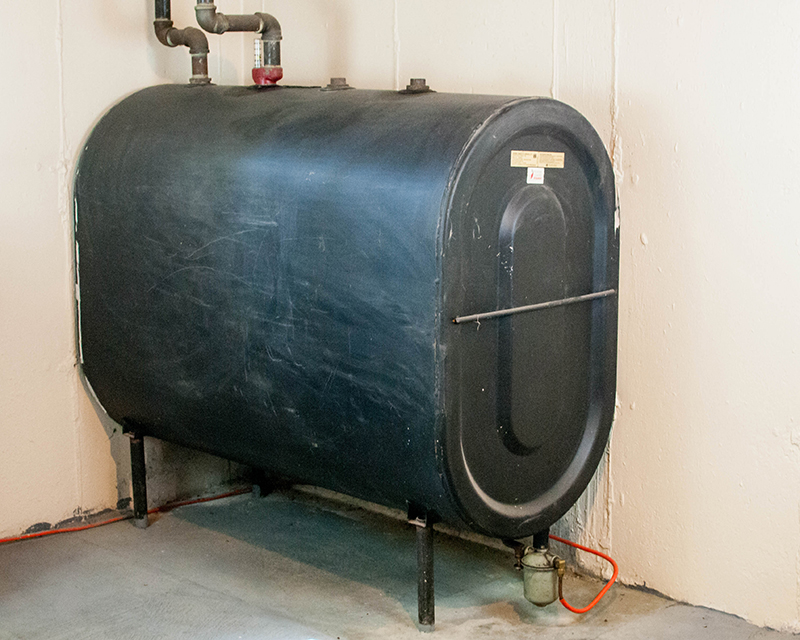
Oil Tank Maintenance is Important: The key is to avoid it.
Many homeowners overlook the significance of oil tank service. A well-functioning oil tank is crucial to the structure of your house. It is important that you, as a responsible owner of a home, ensure your heating system and the storage tank for the oil are functioning effectively and in a safe manner. A leak in the oil storage container that appears insignificant now can become an environmental and financial cost in the future.
Understanding Average Costs: A 275 Gallon Case Study
When it comes to budgeting home maintenance tasks, knowledge is power. Let’s take a look at the typical cost of replacing a 275-gallon tank of oil that is the standard size for heating systems used in residential homes. In Massachusetts, New Hampshire, Rhode Island and Connecticut the average cost of replacing the 275-gallon tank for oil is $3,600. Note that the price quoted assumes an easy replacement in a basement, or outside location that has no access problems.
Oil Tank Replacement The issue is not just about cost.
While the initial cost of replacing the oil tank might be significant, it’s essential to see it as an investment in your home’s future safety and comfort. Here’s why:
Safety First: Oil tanks which are older can leak and could cause fire. They could also lead to environmental contamination. This is prevented by replacing your tank, giving your family and you peace of assurance.
Maximum Efficiency: Older oil tanks can become less efficient with time, which means more frequent oil delivery to maintain warmth. Newer tanks are much more efficient and can cut your heating costs as time passes.
Peace of mind for years to come: A brand new oil tank provides many years of reliable service. It eliminates the worry of unexpected breakdowns or leaks in the winter months.
Oil Tank Replacement Costs: What are the factors that affect their cost?
The cost of $3,600 for a 275-gallon tank replacement serves as a rough guideline. There are a myriad of variables that can impact the final price
The Tank’s Size: Larger tanks will naturally cost more to replace than smaller tanks.
The location of the tank: removing tanks that are buried and then replacing it will usually cost more than doing it in a crawlspace or basement that can be easily accessed.
If you own tanks that are difficult to access because of surrounding structures or the tightness of your space it will cost more expensive.
Disposal of the Old Tank: Proper disposal of the old tank often results in additional charges.
Planning for the replacement of oil tanks: Planning for the Future of Your Home
Oil tanks typically have a lifespan of 15 to 30 years subject to a range of variables. You can plan for a tank replacement in advance by knowing the approximate age. Consider scheduling a professional inspection to determine the state of your current tank and to receive a more accurate estimate for the replacement. See more at 275 gallon oil tank replacement cost
Insuring your home’s safety and the long-term viability of your home
Removing your oil tank isn’t solely about preserving warmth or comfort; it’s also an investment in environmental responsibility. Tanks with older designs can leak and pollute soil and groundwater. Modern oil tanks follow stricter environmental regulations, which assures a responsible storage of oil while minimising environmental damage.
Power is knowledge: How you can take charge of your home’s well-being
Knowing the costs of replacing your oil tank helps you make informed decisions regarding your home’s maintenance. Prioritizing proactive tank exchanges can ensure your heating system remains safe, efficient and environmentally friendly for many years. Do not be surprised in the event of an oil tank problem during winter. Plan and budget for this maintenance task to ensure that you are warm and cozy during the coldest winter months.