Small septic tanks, also known as alternative or novel septic tanks are becoming a popular solution in water management for homeowners who live on challenging terrains or with the space to do so. These systems are designed for maximal space efficiency and also to allow for a variety of soil conditions, and providing efficient waste treatment and protection of groundwater. Let’s take a look at the complexities of these systems, their benefits, and the advanced technologies they use.
Small Septic Systems are Essential
Installing traditional septic tanks, which require a large amount of land, is difficult for homeowners living on tiny plots. A small septic system might not be sufficient to handle household wastewater in these circumstances. Complete small septic systems have been designed to address these challenges by offering advanced, space-efficient solutions specifically tailored to accommodate limited spaces and unique environment conditions.
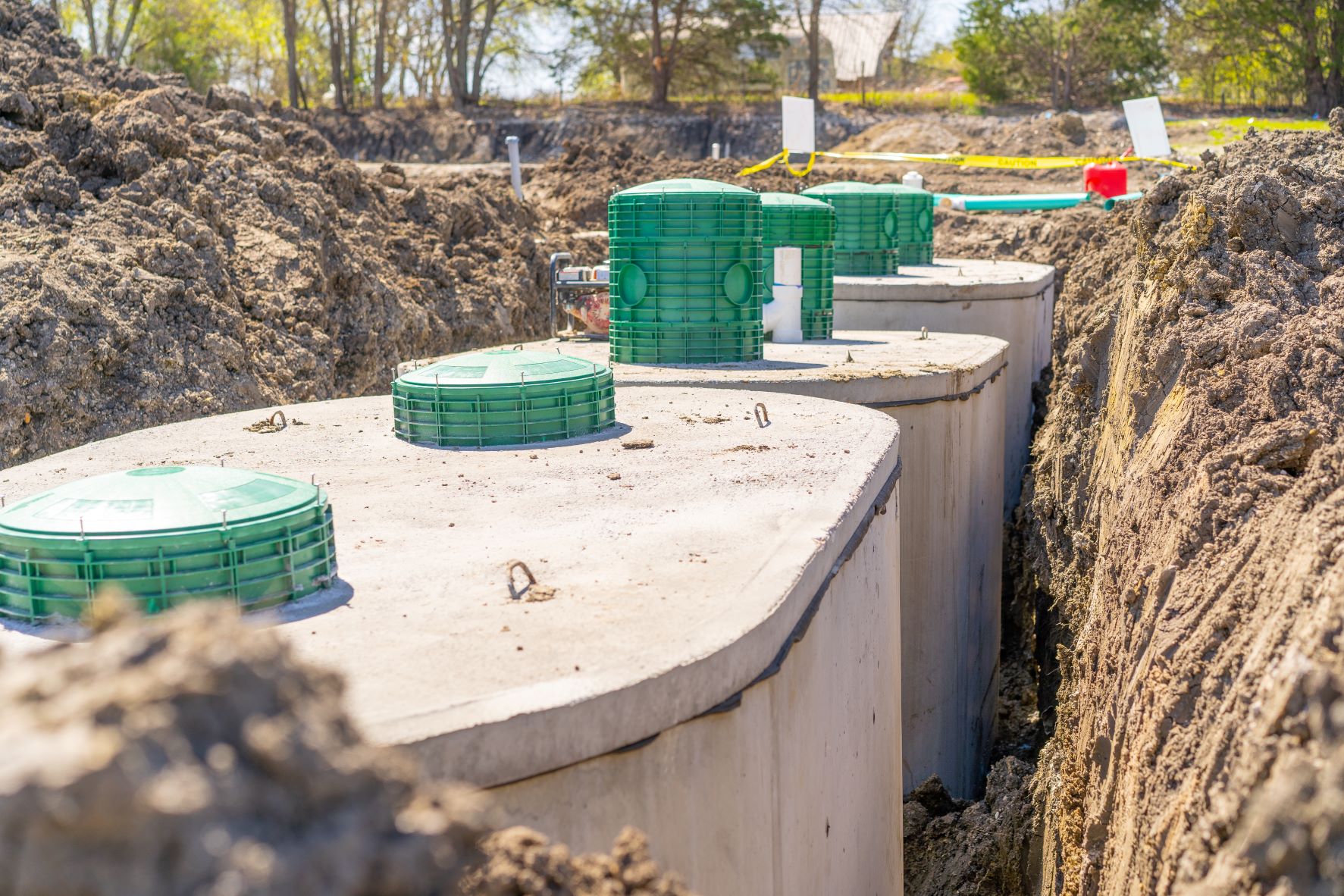
Alternative Septic Systems For Small Lots
Optimized Space Utilization One of the most striking aspects of small septic systems is their small size, that allows installation in small spaces. This is particularly beneficial for homeowners with smaller lots as they do not require the vast land area of a traditional septic systems.
Advanced Waste Treatment Alternative sanitation systems use cutting-edge techniques to ensure better waste management. Aerobic treatment units (ATUs) such as, introduce oxygen to the process of treatment. This stimulates the growth of aerobic bacteria, which decomposes organic matter more efficiently than anaerobic bacteria in traditional systems.
Environmental Safety: These systems were created to protect the environment from contamination of groundwater. Modern treatment techniques and carefully constructed drain systems ensure that treated wastewater is cleaned and cleaned prior to being released to the surrounding environment.
Flexibility to different soil conditions The alternative septic systems are versatile and can be customized to be effective in all soil conditions, whether clayey, sandy or rock. They can be used in different geographical zones and environmental conditions since they can be modified.
Types of Alternative Septic Systems for Small Lots
Aerobic Treatment Units: ATUs use oxygen to boost the breakdown of organic materials in water. They are ideal for small-scale projects due to their compact size as well as their superior capability to treat. These units are particularly efficient in areas with strict environmental regulations as they produce higher quality effluent.
Sand Filters Layers of Sand are used to filter and treat waste water in a natural way. They’re a great option for areas that have soil that is not suitable for drain fields. The sand layers work as a filtration system to get rid of pathogens and contaminants prior to the wastewater is released.
Drain fields that are dosed with pressure The pressure-dosed system wastewater is pumped intermittently into the drain field, ensuring the same distribution and absorption. This method is very effective for smaller areas since it reduces soil saturation. Additionally, it increases the efficacy of the entire treatment process.
Constructed wetlands: Constructed water bodies mimic the natural processes of wetlands that treat wastewater. The soil and plants are used to filter and cleanse effluent. These systems are designed to be environmental friendly, and they can also be tailored to small-sized areas. This can provide both aesthetic and practical advantages.
Mound Systems Mound Systems are raised drain fields that are built above the surface of the soil. These systems are especially beneficial in areas where the groundwater table is high or the bedrock is low. Mound systems provide effective treatment by using the natural filtration properties of sand and soil layers within the mound.
Alternative Septic Systems
It is crucial to talk with an expert before considering the possibility of a different system for a smaller lot. A professional will assess the requirements of the property and suggest the most suitable solution. Factors such as soil type and size, as well as local regulations, as well as environmental conditions have to be evaluated to determine the most appropriate solution. Click here for Small septic system
Conclusion
Alternative septic systems designed for small areas offer creative and sustainable solutions to wastewater management in small spaces. These systems provide homeowners with eco-friendly and efficient solutions for managing household waste by incorporating the latest technologies and adjusting them to the different soil conditions. If you have to deal with limited space or difficult terrain, these alternative systems ensure that wastewater is efficiently treated, safeguarding both the environment and the homeowner’s property. Innovative small septic systems that combine effectiveness, functionality, and sustainability will revolutionize the management of wastewater.